What Are We Really Putting on Our Bodies?
I remember the moment it shifted for me. Not dramatically. Not all at once. Just a quiet pause… standing there, holding a tube of toothpaste, turning it over, and realizing: I had no idea what I was about to put in my mouth. And that led to another thought… If you wouldn’t eat it,
why are you rubbing it into your skin or brushing it into your gums?
We’ve been taught to think of the skin as protection. A shield or boundary, a line between “outside” and “inside.” But what if that’s only part of the story? Because in other areas of life, we already know something different.
There’s a reason medicines are delivered through patches. There’s a reason certain oils and compounds are designed to penetrate. So the real question becomes:
👉 What else is getting through?
Turn over almost any personal care product, and you’ll find a list of ingredients that reads more like a lab sheet than something meant for your body. Words you can’t pronounce. Compounds you’ve never heard of. And one catch-all category that seems harmless… but isn’t very transparent:
“Fragrance.”
Most people don’t realize this, but “fragrance” can represent a blend of many different chemical compounds—some disclosed, some not. Now, that doesn’t automatically make it harmful. But it does raise a simple question:
👉 Why does something designed for daily use require so little disclosure?
Organizations like the Environmental Working Group have spent years compiling databases on personal care ingredients, not because everything is dangerous—but because long-term, combined exposure is still not fully understood. And that’s where things begin to get interesting.
Death by a Thousand Applications
It’s easy to dismiss one product. One use. One exposure. But that’s not how we live. We layer. Morning routine. Evening routine. Day after day… year after year.
There comes a point… after you start paying attention… when you can’t unsee it anymore. It’s not dramatic. No alarms go off. No labels scream for your attention. It’s quieter than that. It’s the slow realization that the things you use every single day, without thinking, might deserve a second look. Not panic. Just… a pause.
Let’s walk through a few of them.
The Top 10 Hidden Offenders in Your Daily Routine
- Toothpaste
Twice a day. Every day.
Right into the mouth… one of the most absorbent entry points in the body.
Most people never question it.
Foaming agents. Artificial sweeteners. “Whitening” compounds.
All labeled as safe within limits.
But here’s the question people don’t often ask:
👉 What happens when something is used this consistently for decades?
Not a conclusion.
Just a question.
- Deodorant & Antiperspirant
Applied to the underarms—an area close to lymph nodes.
Some products are designed to stop the body from sweating altogether.
Now think about that.
👉 What is sweating for?
Some voices have raised concerns—not proven, but persistent—about whether blocking that process daily might have longer-term effects.
At the very least, it raises curiosity:
👉 Is stopping a natural body function always a good idea?
- Shampoo & Body Wash
We’re told they “wash away.”
But not everything does.
Residue is part of the design.
Fragrance lingers.
Softness remains.
Hair behaves differently afterward.
So the question becomes:
👉 What’s staying behind… and what does that do over time?
- Lotions & Moisturizers
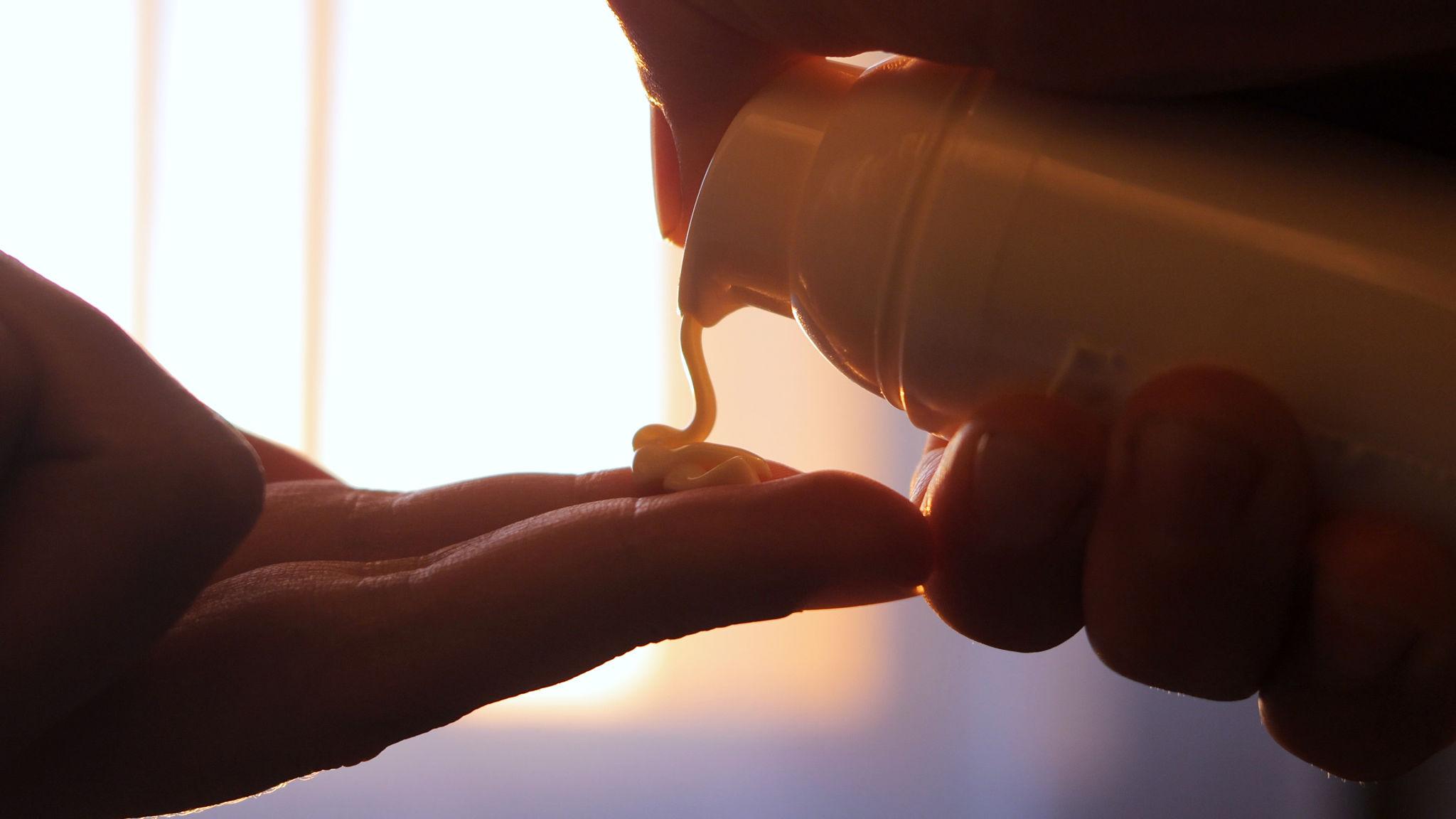
These are meant to be absorbed into the skin.
That’s the point.
To go in.
Hydration, smoothing, anti-aging—those are the promises.
But with that comes another question:
👉 If it goes into the skin… where does it go next?
Some people are beginning to choose simpler natural oils instead.
Not because they’ve proven something wrong…
But because they’re wondering if simpler might be closer to what the body recognizes.

- Feminine Hygiene Products
This is one of the least talked about areas… and one of the most personal.
Products used internally or in highly absorbent areas.
Often made with processed materials, fragrances, or treatments designed for shelf life and appearance.
You won’t see bold warnings.
But you will hear quiet conversations asking:
👉 Why aren’t the ingredients always fully transparent here?
And that alone is enough for some people to start looking for alternatives.

- Toilet Paper
This one surprises people.
It seems harmless.
But then you notice…
Bright white.
Softened.
Processed.
Some people have started asking about bleaching methods and what that process leaves behind—if anything.
And whether or not there’s a definitive answer…
The shift is happening.
More unbleached options.
More bamboo-based products.
Because sometimes the question is enough to change behavior:
👉 Why so much processing for something so simple?

- Sunscreen
Hospitals used to have sun rooms where patients could be in the sun at certain times of day without protective sun lotion as part of the healing process.
Now here’s one that sparks debate. Protection vs. absorption.
Certain formulations are designed to sit on the skin. Others are designed to sink in.
And you’ll hear questions—again, not settled, but persistent—about whether daily use, combined with sun exposure and heat, changes how these compounds behave.
Not a conclusion.
But definitely a conversation.
- Makeup & Foundation
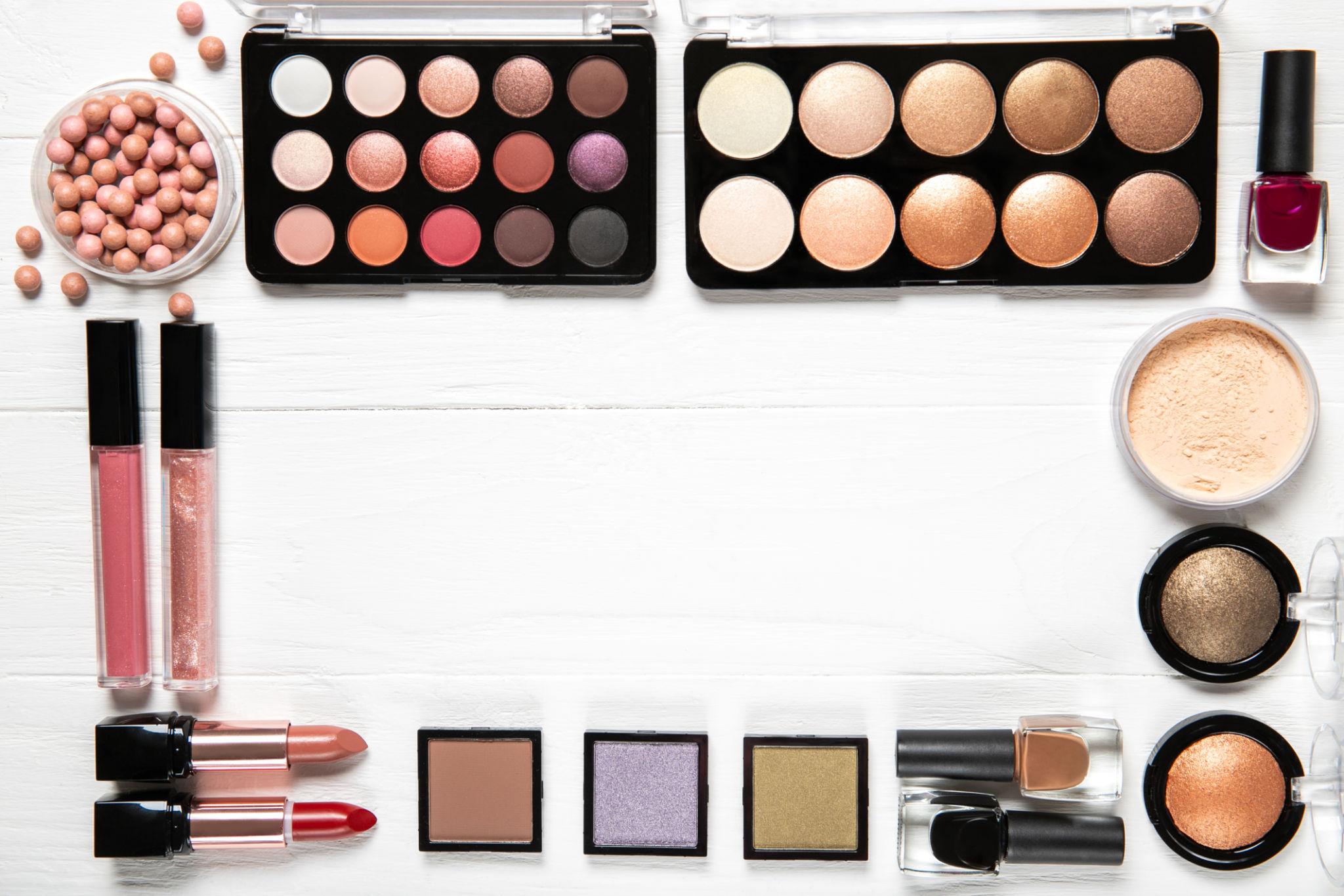
Worn for hours.
Sometimes all day.
Layered.
Reapplied.
Absorbed.
And rarely questioned beyond appearance.
But think about it:
👉 What does your skin do while it’s covered like that, day after day?
Breathing. Interacting. Responding.
Or… adapting?
- Hand Sanitizer
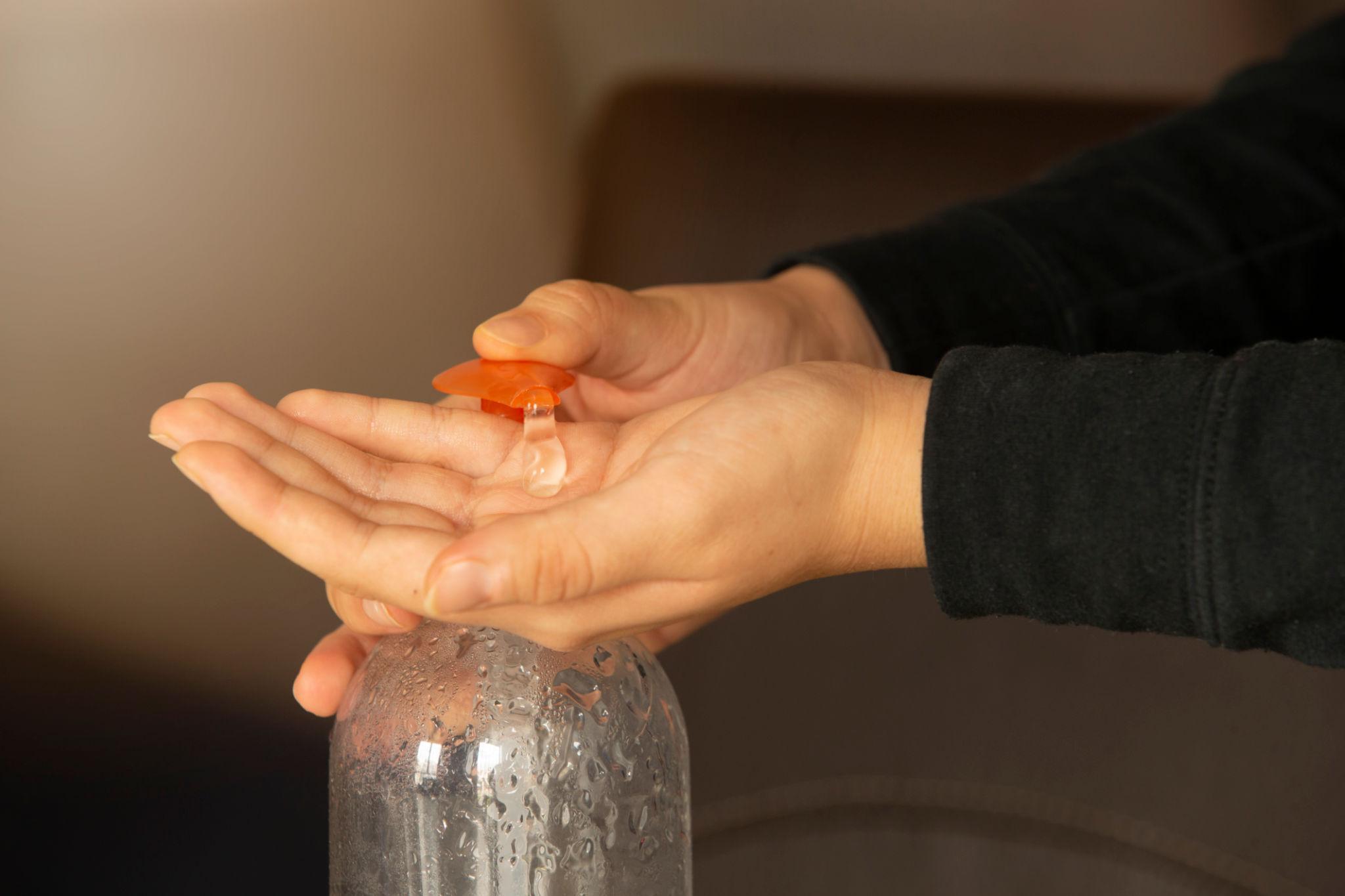
A relatively recent addition to daily life for many people.
Used multiple times a day. Sometimes dozens.
Designed to kill.
But the question that lingers for some is:
👉 What happens to the balance of the skin when something designed to eliminate bacteria is used that often?
Not fear, but possibly a warning.
Just curiosity about balance.
- “Fragrance” in Everything
This might be the biggest one.
Because it’s everywhere.
-
- Lotions
- Soaps
- Cleaners
- Laundry products
- Even products labeled “natural”
And yet, the “fragrance” label often doesn’t tell you what’s actually inside.
It’s a placeholder.
A category.
A blend.
And that leads to one of the simplest—and most powerful—questions in this entire conversation:
👉 If it doesn’t have to be disclosed… why not?
The Pattern Beneath the List
It’s not about one product. It never was. It’s about repetition. Consistency. Accumulation. And a system that defines “safe” one product at a time… instead of asking what happens when everything is used together.
There is the idea that shows up in certain circles. Not proven. Not universally accepted. But interesting. That maybe the issue isn’t toxicity in the obvious sense… But adaptation.
Each one, on its own, may be considered “within acceptable limits.” But together?
Even institutions like the National Institute of Environmental Health Sciences acknowledge that cumulative exposure is an area still being studied. Which leads to a question that doesn’t have a clear answer:
👉 What happens when “acceptable” is repeated thousands of times?
Now here’s where people tend to get quiet. Because some of the most absorbent areas of the body… are the ones we treat the most casually.
- Your mouth.
- Your underarms.
- Your face.
- Intimate areas.
- Even something as simple as toilet paper.
Yes… toilet paper. Some people have started asking:
👉 Why is it so bright white?
That brightness often comes from bleaching processes. Modern methods are said to reduce harmful residues, but for those paying attention, the question still lingers:
👉 What’s left behind… if anything?
And whether or not there’s a definitive answer, you’ll notice something happening quietly in the marketplace: More people choosing unbleached options. Bamboo-based products. Less processed alternatives.
Not out of fear. But out of a growing instinct:
👉 Maybe simpler is better.
People Start Asking Questions They Aren’t Supposed to Ask
Now here’s where things shift. Not into certainty. Not into proof. But into curiosity, the kind that doesn’t always get welcomed.
You’ll sometimes hear people ask:
- Why are so many personal care products designed to be absorbed, rather than simply rinsed away?
- Why are certain ingredients restricted in some countries, yet still common in others?
- Why does “safe in small amounts” become the standard… instead of “safe over a lifetime”?
And then there are the quieter whispers… Some voices have suggested that long-term, low-level exposure to combinations of chemicals may have subtle effects, not immediate, not dramatic, but gradual.
Things like:
- shifts in sensitivity
- changes in how the body responds over time
- or a slow drift away from what “optimal” once felt like
Not proven. Not universally accepted. But talked about.
And then there’s the question that tends to get dismissed the fastest:
👉 If something is safe in isolation… what happens when it’s layered, absorbed, and repeated daily for decades?
No one seems eager to answer that completely.
The Edge of the Conversation
There are even more fringe perspectives, ones that rarely make it into polite discussion, that suggest something deeper. That maybe it’s not about one ingredient. Or one product. But about a gradual normalization. A slow shift in what people come to accept as “feeling okay.” Not acute harm. Not something obvious. Just… a quiet lowering of the bar.
Now, is that true?
That’s not something you can settle in a single article. But it is something people are beginning to notice.
Why Would This Even Happen?
Here’s where things come back to something much simpler than conspiracy. Incentives.
Products are designed for:
- shelf life
- mass production
- consistency
- visual appeal
- repeat purchase
Not necessarily for long-term biological harmony. (Could you be slowly suffering consequences?)
That doesn’t mean anyone is sitting in a room planning harm. But it does mean:
👉 Your body’s preferences may not be the primary design priority.
Muscle Testing, Intuition, and Paying Attention
There are people who approach this differently. Not through lab reports… But through sensitivity. Through intuition. Through methods like muscle testing. And what they often report is this:
👉 Many common products don’t “feel right” to the body.
Not in a way that’s easy to measure. But in a way, you can notice if you’re paying attention. Now, that’s not proof. But it is feedback. And sometimes, feedback is where change begins.
You have friends on social media who share their research with you. They may show you the dangers of using these products, etc…
The Cost of Choosing Differently
Here’s the part most people already know:
👉 Trying to be healthier often costs more.
Cleaner products. Simpler ingredients. Less processing. It adds up. But so does everything else. And over time, many people start to see it differently: Not as an expense… But as a trade.
So What Do You Do With This?
You don’t panic. You don’t throw everything away.
You just begin.
- Read one label
- Question one ingredient
- Replace one product
- Choose simpler* when you can
Because this isn’t about perfection. It’s about awareness.
* Simpler may mean fewer chemicals, additives, etc.
A Final Thought
No one lives in your body but you. Not the manufacturer. Not the label. Not the system.
So the real question isn’t:
👉 Is everything harmful?
The real question is:
👉 How aware do you want to be of what you allow in?
Because once you start looking… You’ll start seeing. And once you start seeing… You may begin choosing differently.
Want to talk about it? Call me, Taylore Vance, at the Reiki Ranch (360) 748-4426